

Siem Reap
Attraction – Siem Reap
Siem Reap is located in northwestern Cambodia and it is the gateway to the world-famous Angkor temple complex, which includes the magnificent Angkor Wat. The province also contains a vibrant capital city boasting many luxury hotels, beautifully-aged colonial buildings, a buzzing Pub Street, silk farms, markets and much more.
Siem Reap is a ‘must-visit’ destination for all visitors to Cambodia. This is where the glorious 12th Century Angkor Wat temple, the largest religious building in the world, is located. Situated on the northern bank of the Tonle Sap Lake, this mesmerizing eighth wonder of the world can be easily accessed by plane, land and boat.
The ruins of Angkor, located in thick jungle, are now a UNESCO World Heritage Site. There are over one thousand temples ranging in scale from nondescript piles of rubble scattered through rice fields to the awe-inspiring Angkor Wat–the best-preserved temple.
Apart from the legacy of the vast Angkor temple complex, Siem Reap has a lot more to offer to tourists, from the spectacular floating village on the Tonle Sap Lake to the heritage site of the Kulen Mountain, to the recently discovered Koh Ker ruins.
In town, there are a bevy of ethnic craft shops, galleries, cafes, eateries and top-notch restaurants serving every type of cuisine. The famous ‘Pub Street’ and the night markets of Siem Reap are now renowned tourist destinations in their own rights. Additionally, silk farms, rice-paddy countryside, fishing villages and a very rich bird sanctuary near the Tonle Sap Lake make Siem Reap one of the most captivating places in the world.
There are also speedboats operating along the Tonlé Sap from Phnom Penh and Battambang Province.
Angkor Wat – Heritage of Humanity and World Wonder
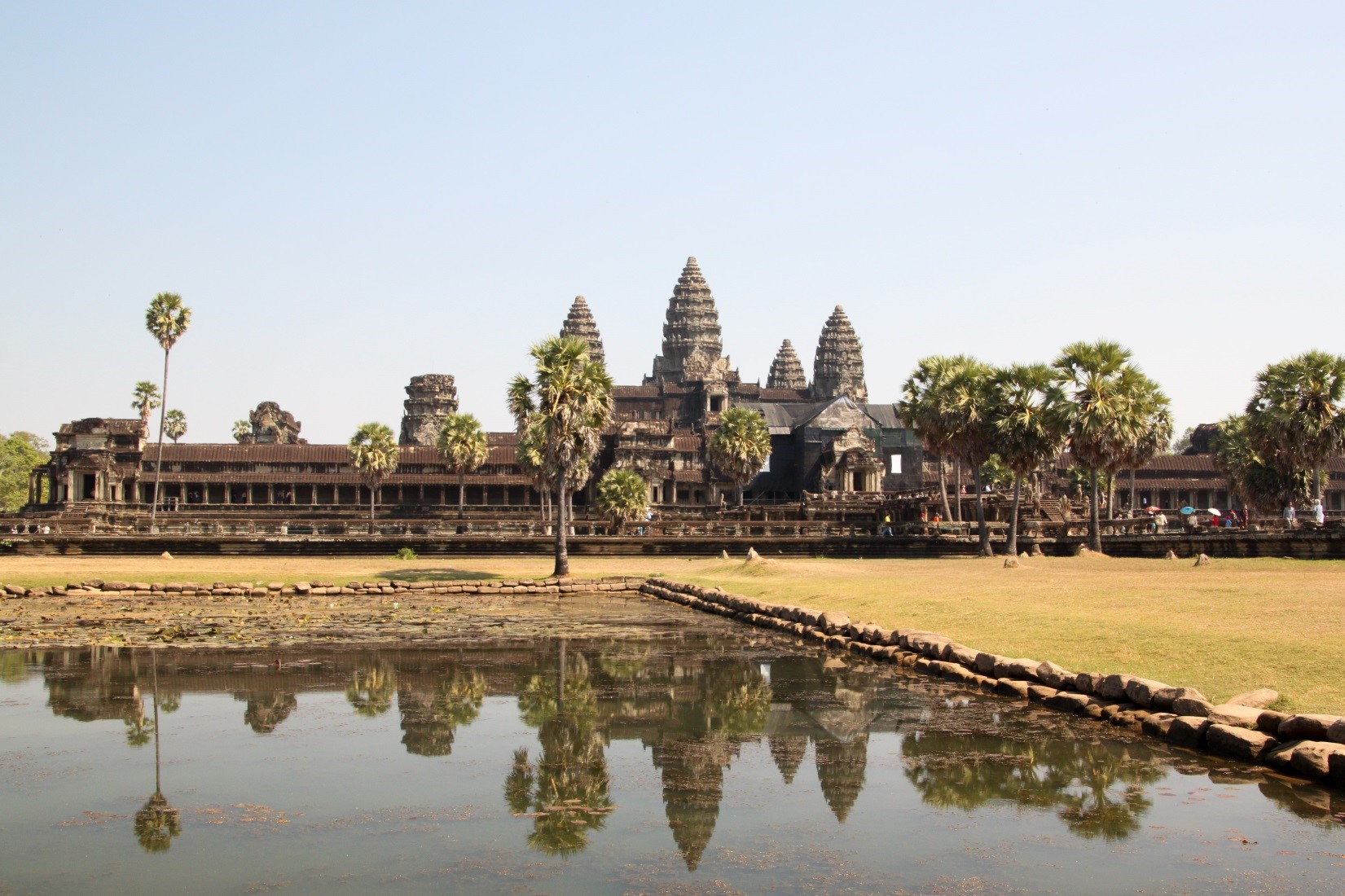
Angkor Wat which literally means ‘City Temple’ is a Hindu temple complex built to replicate the heavens on earth. Constructed for King Suryavarman II in the early twelfth century, it is the best-preserved temple and is the only one to have remained a significant religious centre since its foundation; first Hindu, dedicated to Vishnu, then Buddhist. The temple is the epitome of the high classical style of Khmer architecture. This magnificent temple combines two basic plans of Khmer temple architecture; the temple mountain and the later galleried temple, based on early South Indian Hindu architecture. Constructed within a moat and an outer wall 3.6 kilometres (2.2 miles) long with three rectangular galleries, each raised above the next, it is designed to represent Mount Meru, home of the devas in Hindu mythology.
At the centre of the temple stands a quincunx of towers. Unlike most Angkorian temples, Angkor Wat is oriented to the west and this has scholars divided as to its significance. The temple is admired for the grandeur and harmony of the architecture. The extensive bas-reliefs and the numerous guardian spirits adorning its walls serve as evidence of the strong Khmer religious beliefs.
Bayon Temple
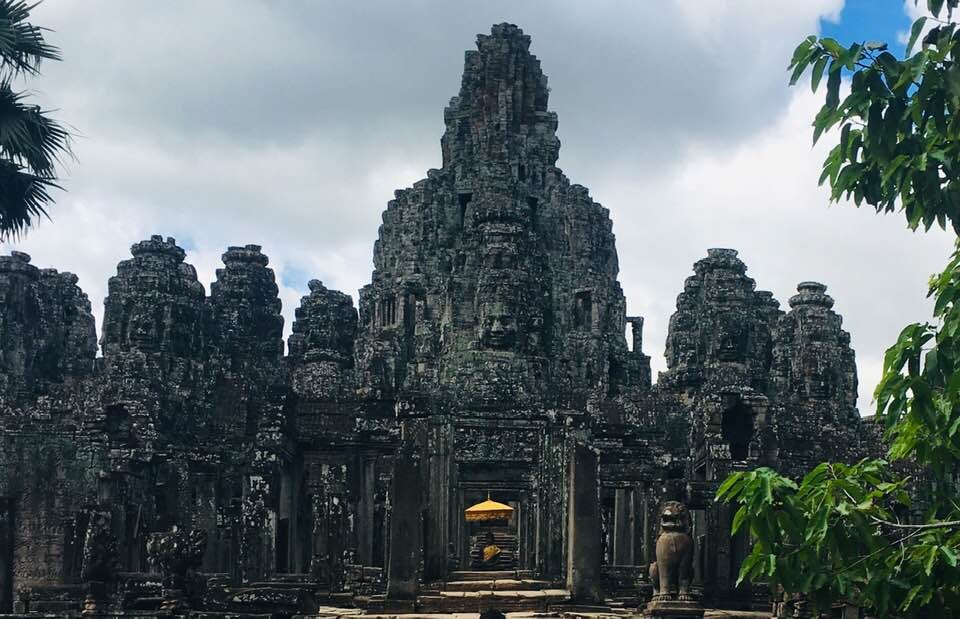
Bayon is a richly decorated Khmer temple built in the late twelfth century or early thirteenth century. Built at the centre of King Jayavarman’s capital, Angkor Thom was the last state temple to be built at Angkor, and the only Angkorian state temple to be built primarily as a Mahayana Buddhist shrine dedicated to the Buddha. Following Jayavarman’s death, it was modified and augmented by later Hindu and Theravada Buddhist kings in accordance to their religious preferences.
Bayon’s most distinctive feature is the multitude of serene and massive stone faces on the many towers that jut from the upper terrace and cluster around its center peak. The similarity of the 216 gigantic faces to other statues of Jayavarman VII has led many scholars to the hypothesise that the faces are representations of the king himself. Others believe that the faces belong to Avalokitesvara, the bodhisattva of compassion.
The temple is also popular for two impressive sets of bas-reliefs, which present an unusual combination of mythological, historical, and mundane scenes. This is one of the many ‘must visit’ temples.
Ta Prohm Temple
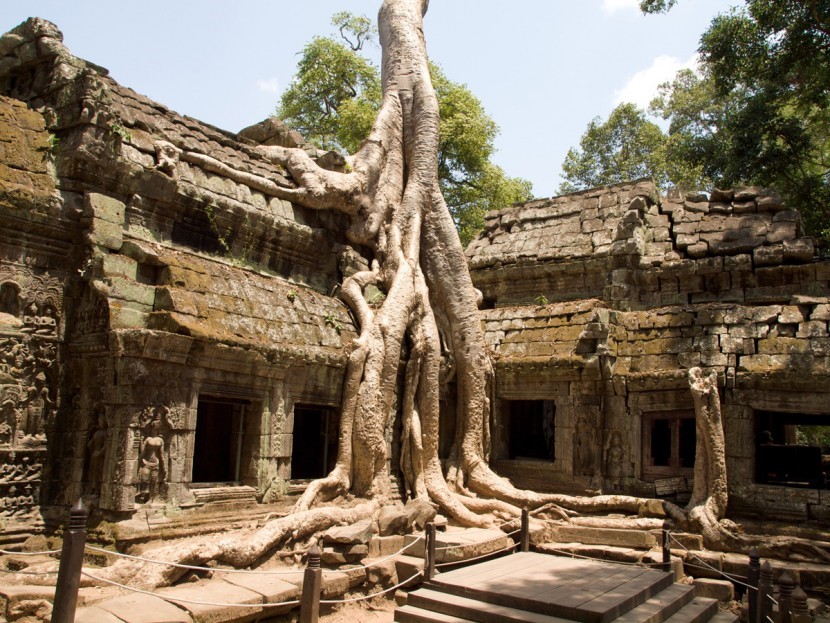
Ta Prohm, a Bayon style temple, is believed to be built in the late twelfth and early thirteenth centuries. It was founded by King Jayavarman VII as a Mahayana Buddhist monastery and university. Unlike most Angkorian temples, Ta Prohm has been left in much the same condition in which it was found where the photogenic and atmospheric combination of trees growing out of the ruins and the jungle surroundings have made it one of Angkor’s most popular temples with visitors.
Rajavihara (Royal temple), as it was originally known, was one of the first temples founded pursuant to a massive program of construction and public works after the King’s ascension to the throne in 1811 A.D.. It was built in honor of his family. The temple’s main image, representing Prajnaparamita, the personification of wisdom, was modeled on the king’s mother. The northern and southern satellite temples in the third enclosure were dedicated to the king’s guru and his elder brother respectively. As such, Ta Prohm formed a complementary pair with the temple monastery of Preah Khan, dedicated in 1191 A.D., the main image of which represented Avelokitesvara, the Bodhisattva of compassion and was modeled on the king’s father.
The site was home to more than 12,500 people (including 18 high priests and 615 dancers), with an additional 80,000 people in the surrounding villages working to provide services and supplies.
Preah Khan Temple
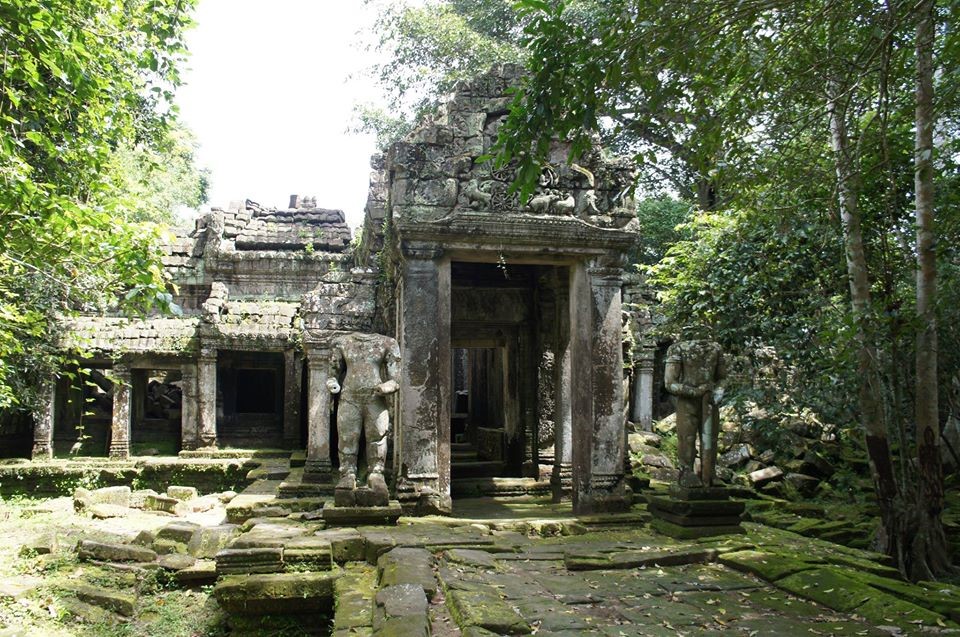
Preah Khan was built on the site of Jayavarman VII’s victory over the invading Chams in 1191. In its heyday, this was the centre of a substantial organisation with almost 100,000 officials and servants. This temple is flat in design, with a basic plan of successive rectangular galleries around a Buddhist sanctuary complicated by Hindu satellite temples and numerous later additions. With numerous trees and other vegetation growing among the ruins, Preah Khan has been left largely unrestored.
Banteay Srei Temple
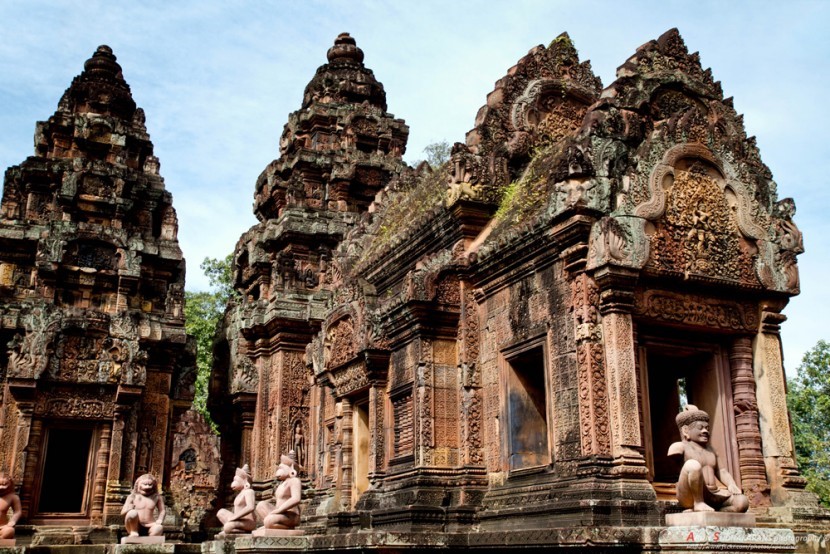
Consecrated in 967 A.D, Banteay Srei was speculated to have been known earlier as Banteay Serai, which literally means the Citadel of Victory. This was the only major temple at Angkor not built by a monarch; its construction is credited to a courtier named Yajnavaraha, who was a scholar and philanthropist and a counselor to king Rajendravarman. He was known to have helped those who suffered from illness, injustice or poverty. Banteay Srei is built primarily in red sandstone, a medium that lends itself to the elaborate decorative wall carvings which are still observable in fine details today. Measured by the standards of Angkorian construction, the buildings themselves are miniature in scale. These factors have led to its being widely praised as a ‘precious gem’, or the ‘jewel of Khmer art’ and perhaps the temple’s modern name, Banteay Srei or Citadel of Women, is probably related to the intricacy of the bas relief carvings of devatas found on the walls and the tiny dimensions of the buildings themselves.
Koh Ker
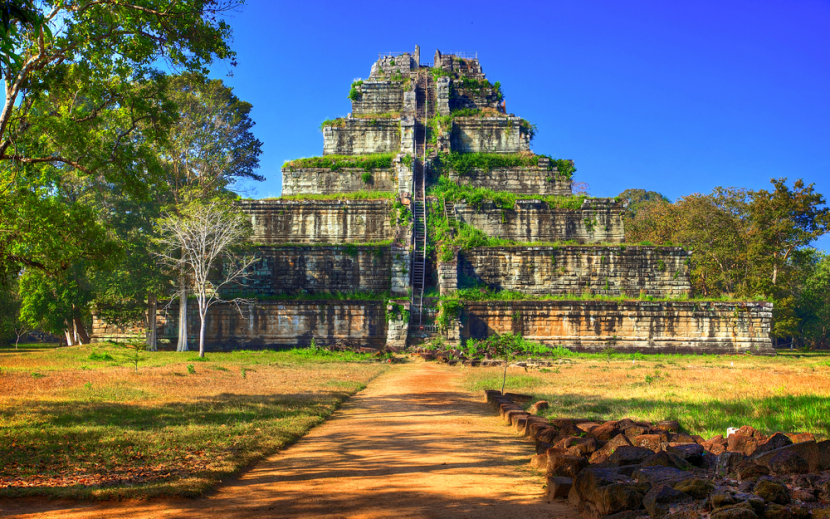
The temple complex at Koh Ker, northeast of Siem Reap, represents the remnants of the capital of the Khmer Empire from 928 AD. – 944 A.D. – a very unique period in the Age of Angkor. From the time the Khmer capital was first moved to the Angkor area in the late 9 th century, it would remain there for almost 500 years, with one brief interruption. Just a few decades after the establishment at Angkor there was a disruption in the royal succession for reasons that remain a matter of academic debate. What is known is that in 928 A.D. King Jayavarman IV, possibly a usurper to the throne, created a new capital 100km away at Koh Ker, either moving the capital city from Angkor or creating a rival capital. Obviously a king of much wealth and power, he raised an impressive royal city at Koh Ker of Brahmanic monuments, temples and prasats, surrounding a huge baray (reservoir) Rahal. Jayavarman IV reigned at Koh Ker for 20 years before he died in 941 A.D. His son Hashavarman II would remain at Koh Ker for another 3 years before returning the capital to the Angkor area. The monuments of Koh Ker are now on a road loop around the baray past the most importants temples. The premier ruin of the complex is Prasat Thom, an imposing 7-tiered pyramid and temple complex. (Best photographed in the morning and offering a bird’s eye view from the top.) As you round the loop, there are several nicely preserved ruins sit just off the road., impressive prasats and small temple complexes. There are lingas still in place in some monuments such as Prasat Balang and Prasat Thneng. For the enthusiast, there are also dozens of other, more remote ruins in the area. A good guide can be most helpful at Koh Ker. A trip to Koh Ker takes the better part of a day out of Siem Reap and is usually combined with a visit to Beng Melea. To get there take Route #6 east from Siem Reap to Damdek. Turn north and follow the sign. Part of the way is a toll road. Check road conditions before leaving Siem Reap, especially in the wet season. $10 entrance fee to Koh ker.
Bakong
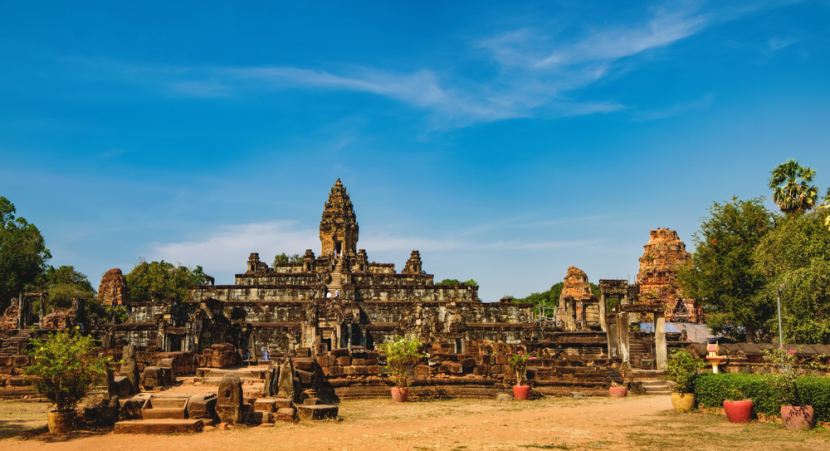
Roluos Group: The most impressive member of the Roluos Group, sitting at the center of the first Angkorian capital. Hariharalaya. Bakong stands 15 meters tall and is 650x850m at the outer wall. Constructed by the third Angkorian-era king as his state-temple, Bakong represents the first application of the temple-mountain architectural formula on a grand scale and set the architectural tone for the next 400 years. The temple displays a very early use of stone rather than brick. Though begun by Indravarman I, Bakong received additions and was expanded by later kings. The uppermost section and tower may have been added as late as the 12th century AD. Some of the lintel carvings, particularly on the outer towers, are in very good shape. Picturesque moat and vegetation surround Bakong.
Neak Pean
A small island temple located in the middle of the last baray (the Preah Khan Baray or Jayatataka) to be constructed by a Khmer king in the Angkor area. The central temple sits at the axis of a cross or lotus pattern of eight pools. Originally known as Rajasri, Neak Pean took its modern appellation, which means ‘coiled serpents,’ from the encoiled nagas that encircled the temple. The temple is faced by a statue of the horse, Balaha, saving drowning sailors. Though originally dedicated to Buddha, Neak Pean contains several Hindu images. Neak Pean may have served an absolution function, and the waters were thought to have healing properties. During the dry season when the water is low, check out the animal and human headwater spouts at the outside center of each pool. Neak Pean is most photogenic in the wet season when the pools are full.

Banteay Samre
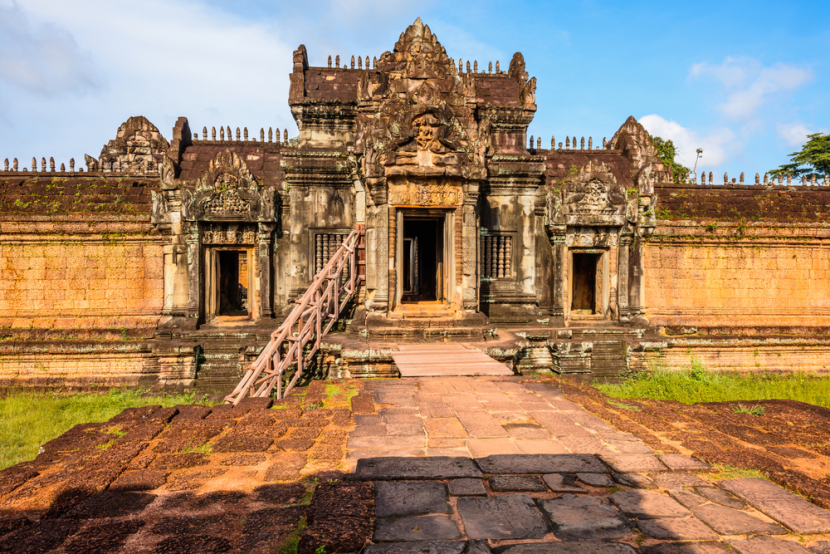
Large, comparatively flat temple displaying distinctively Angkor Wat-style architecture and artistry. The temple underwent extensive restoration this century by archaeologists using the anastylosis method. Banteay Samre was constructed around the same time as Angkor Wat. The style of the towers and balustrades bear strong resemblance to the towers of Angkor Wat and even more so to Khmer temple of Phimai in Thailand. Many of the carvings are in excellent condition. Banteay Samre id a bit off the Grand Circuit, near the southeast corner of the East Baray. The trip there is a nice little 3km road excursion through villages and paddies. Combine a visit to Banteay Srey with a stop at Banteay Samre on the way back.
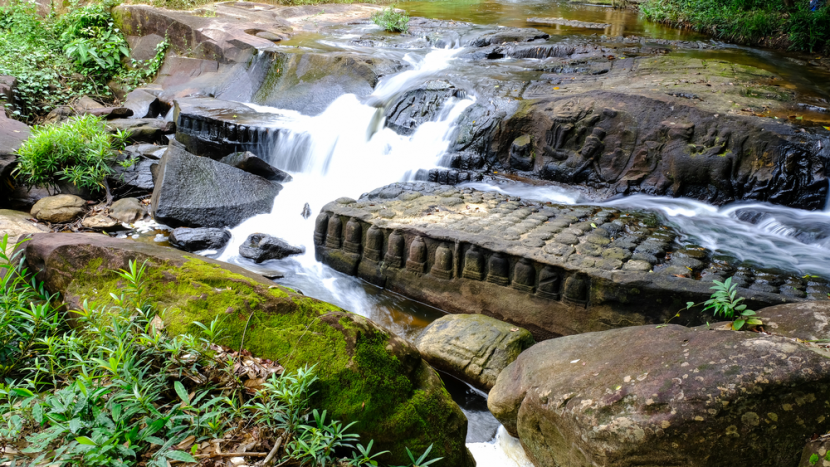
Kbal Spean
This holy place must have been favored during the great Angkorean epoch when its waters, after having washed gods and lingas, continued on to the wondrous royal city with its growing monumental temples.
Banteay Kdei Temple
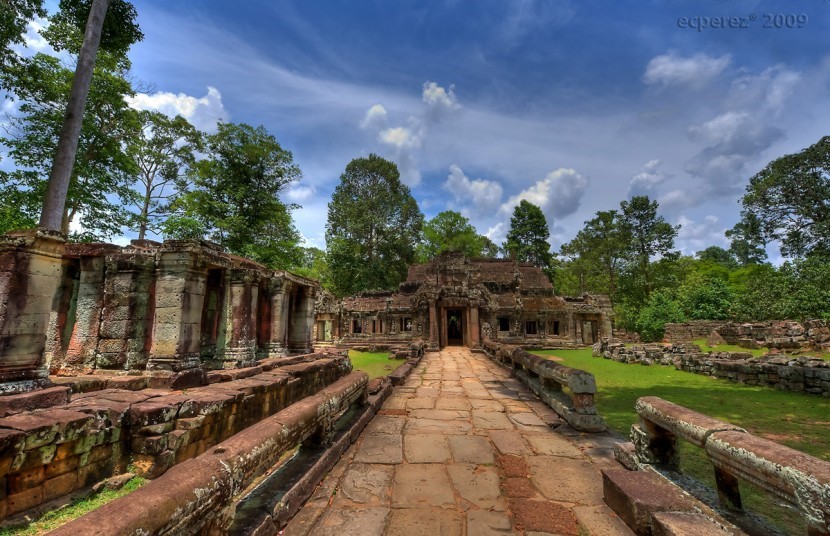
Built in the late twelfth to early thirteenth century during the reign of Jayavarman VII, Banteay Kdei is known only as a Buddhist temple constructed in the Bayon style. It has been occupied by monks at various intervals over the centuries, but the inscription stone has never been discovered so it is mystery; unknown to whom the temple is dedicated.
Its structures are contained within two successive enclosure walls, and consist of two concentric galleries from which emerge towers, preceded to the east by a cloister. Like all the other ruins in Angkor, the carvings are captivating.
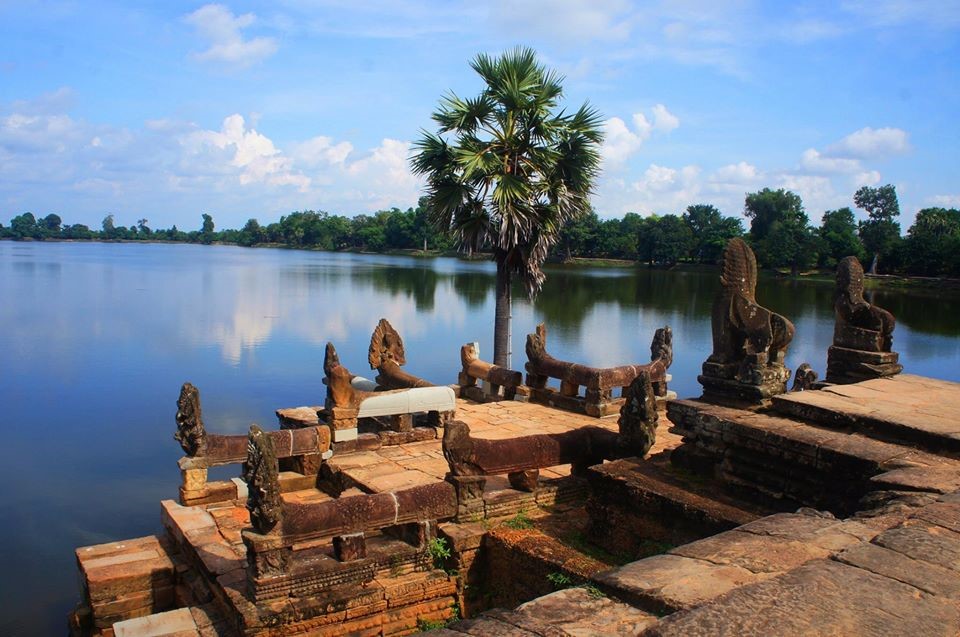
Srah Srang ‘the royal bath’
It was perhaps a chapel to Kama, God of Love. The spot would suit the temper of the strange power, terribly strong and yet terribly tender, and of that passion which carries away kingdoms, empires and whole worlds. Love could occupy this quiet nest embedded in water, which gave the impression that love had come one day and had left there, when he went away, a part of his spirit.
Preah Vihear Temple
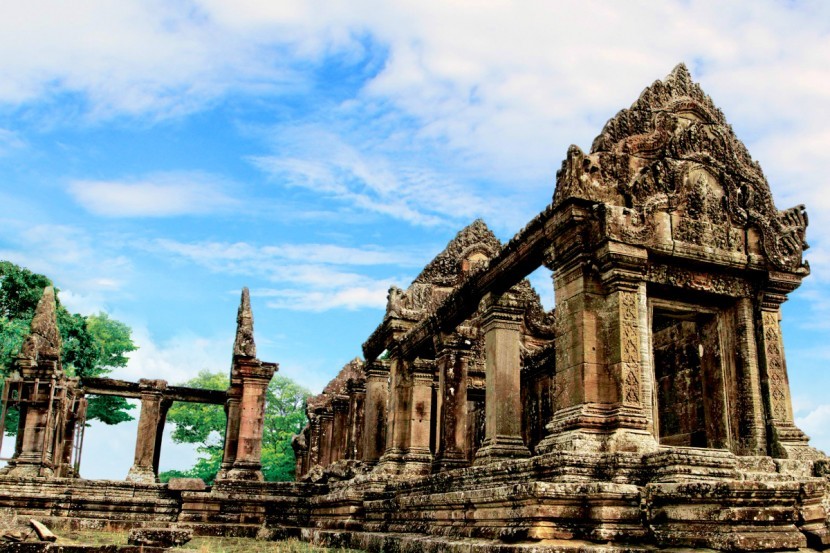
The Preah Vihear Temple is a Khmer temple situated at the top of Poy Tadi, a 525-metre (1720 ft) cliff in the Dangrek Mountains located in the Preah Vihear Province of northern Cambodia. The temple gives its name to Cambodia’s Preah Vihear province and is 140 km from Angkor Wat, approximately 320 km from Phnom Penh.
Preah Vihear Temple has the most spectacular setting of all the temples built during the six-centuries-long Khmer Empire. The Temple is composed of a series of sanctuaries linked by a system of pavements and staircases over an 800 metre long axis and is built with a clear view of the plains from where it stands. Dedicated to Shiva, this temple is unusual among Khmer temples in being constructed along a long north-south axis rather than having the conventional rectangular plan with orientation toward the east. However, although the structure of this temple is very different from the temple ‘mountains’ found at Angkor, it is believed to have been built to serve the same purpose as a stylised representation of Mount Meru, the home of the gods.
Through the energetic efforts of the Royal Government of Cambodia under the wise, brilliant leadership of Samdech Akka Moha Sena Padei Techo HUN SEN, Prime Minister of the Kingdom of Cambodia, Preah Vihear Temple has been listed and declared a World Heritage site by UNESCO on July 8, 2008.
Koulen Mountain
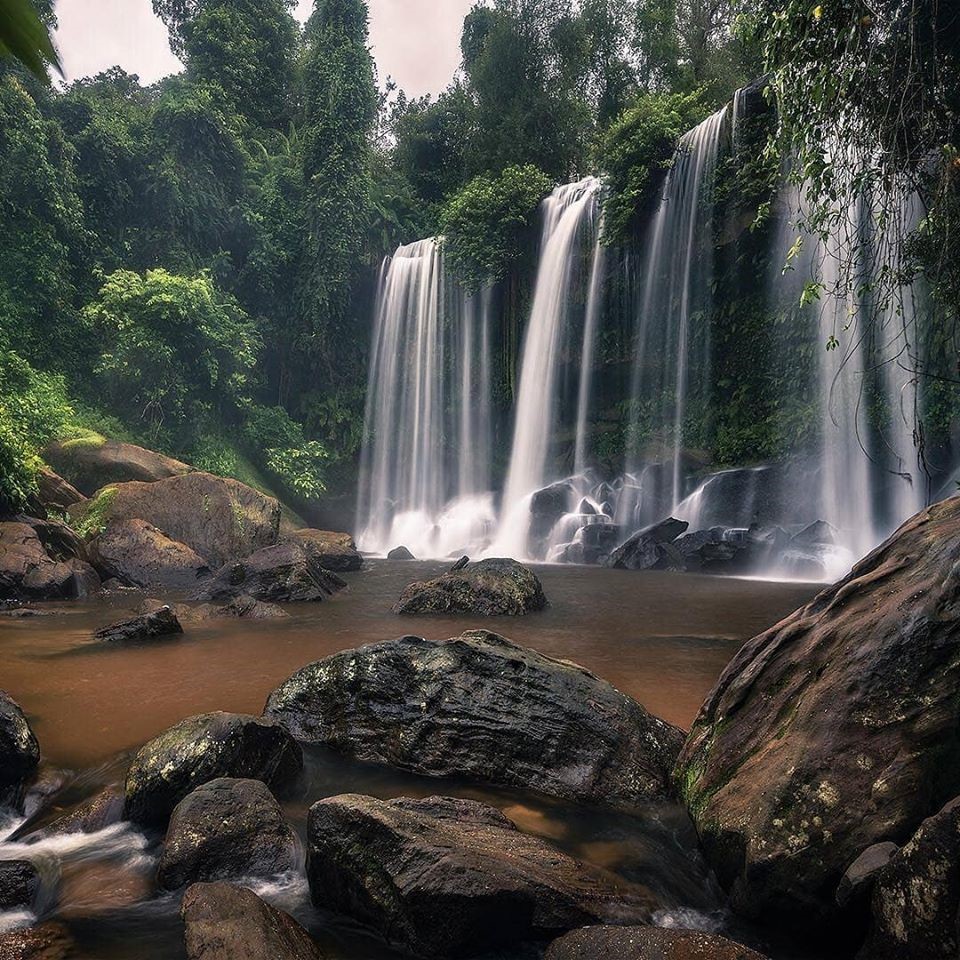
Phnom Kulen meaning “Mountain of Lychees”) is a mountain range and a part of Phnom Kulen National Park in Siem Reap Province, Cambodia. Phnom Kulen has major symbolic importance for Cambodia as the birthplace of the ancient Khmer Empire, for it was at Phnom Kulen that King Jayavarma II proclaimed independence from Java in 804 CE. Jayavarman II initiated the Devaraja cult of the king,[7]:99–101 a linga cult, in what is dated as 804 CE and declaring his independence from Java of whom the Khmer had been a vassalage state (whether this is actually “Java”, the Khmer chvea used to describe Champa, or “Lava” (a Lao kingdom) is debated, as well as the legend that he was earlier held as a ransom of the kingdom in Java. See Higham’s The Civilization of Angkor for more information about the debate). During the Angkorian era the relief was known as Mahendraparvata (the mountain of Great Indra).
Phnom Kulen was furth er developed under the rule of Udayadityavarman II, who made it the capital of his empire and constructed many temples and residences as well as the 1000 Lingas at Kbal Spean. At its peak, the Kulen development was larger than modern-day Phnom Penh and one of the largest cities in the 11th-century world. It would later be eclipsed by Angkor, but still served a vital role, as its water irrigated the entire region.
The Khmer Rouge used the location as a final stronghold as their regime came to an end in 1979 in the Cambodian–Vietnamese War.
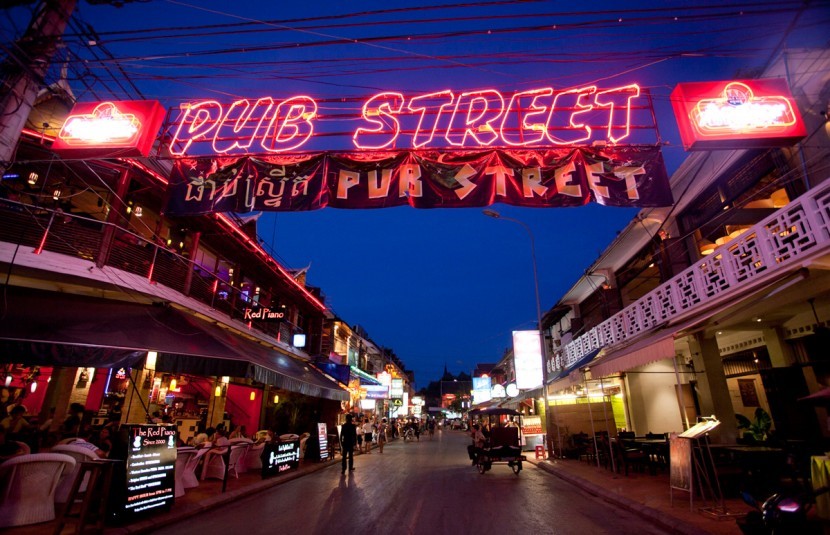
Pub Street
In Siem Reap, after returning from the temple tours in the evening, many tourists are taken to the Pub Street to take advantage of the happy hour deals or a good meal. The street is so named because it is lined end to end on both sides by pubs, restaurants and shops. The street is closed to traffic in the evening; allowing pedestrians to stroll about freely. The street comes alive when the bars crank up the music and join the restaurants to spill their seats out onto the curbs. On this street, one can find bars and restaurants serving drinks and food of almost all culture and flavours. Here too are a few fine galleries for the discerning to enjoy.
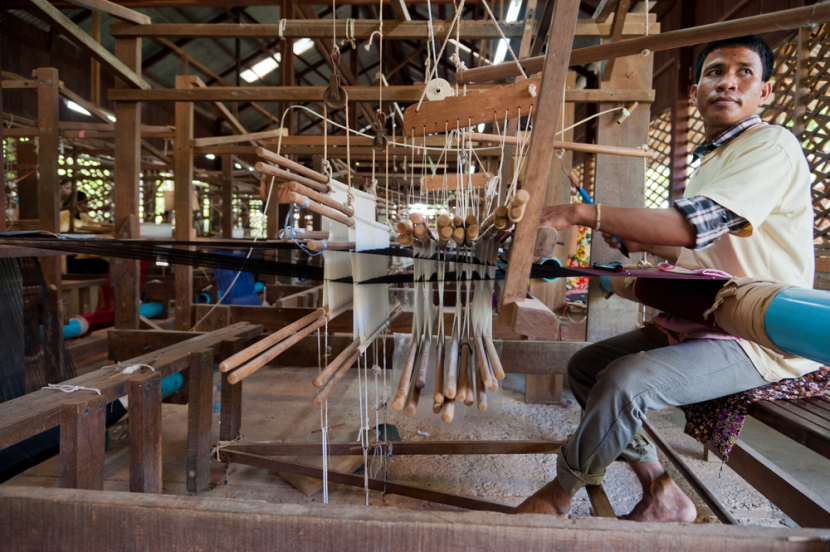
Angkor Silk Farm
Angkor Silk Farm belongs to Artisans Angkor, a social-business enterprise aiming at reviving Khmer cultural heritage while giving job opportunities to young Cambodians living in rural areas. Free guided tours through the eight-hectare farm give a unique insight into the different stages involved in silk production, from the mulberry tree orchards, silkworm breeding, the spinning mills, and the dying and weaving processes in the very traditional way. A shop is there for visitors as well. Tours are in English, French, Spanish, Chinese, Korean, Japanese or Khmer.
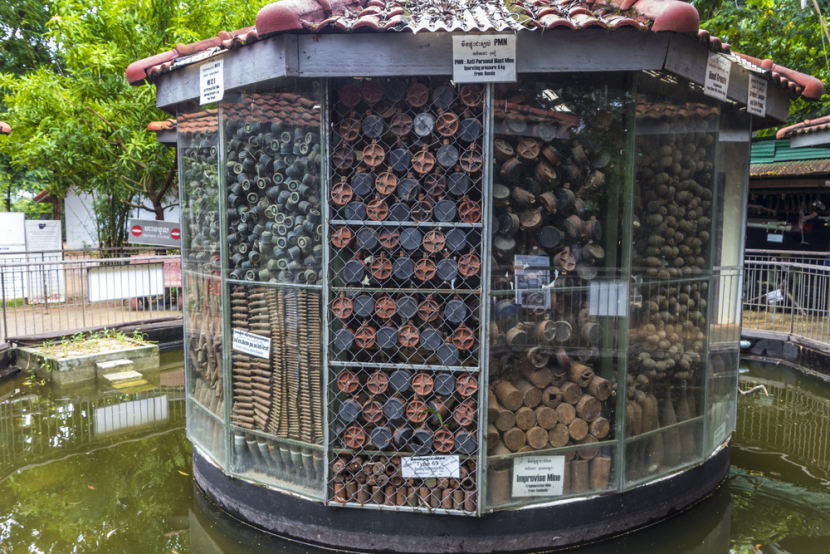
Landmine Museum
It is situated on the way to Banteay Srei Temple, Siem Reap. It was founded by a veteran using most of his saving. He used to do the landmine removal work, so he has collected around 5000 removal landmines and wartime weapons displayed in the museum. There are also pictures and stories of victims and an introduction to landmine removal work in the museum. Every Monday, Tuesday, Thursday, and Friday, from 9:00 to 15:00, there are English, and Japanese tour guides to let everyone understand more about the history of that period.
Cultural Village
The Cambodian Cultural Village is designed to provide tourists with an excellent insight into the life and culture of the Cambodians; their traditions and practices, etc.
In all, eleven villages or sectors, each a showcase of different landmarks and providing a peek into the lifestyles of the people from various provinces including the ethnic minorities.
Like a theme park, tourists are treated to miniatures of historical buildings, stone carvings, wood works, and many forms of arts and crafts.
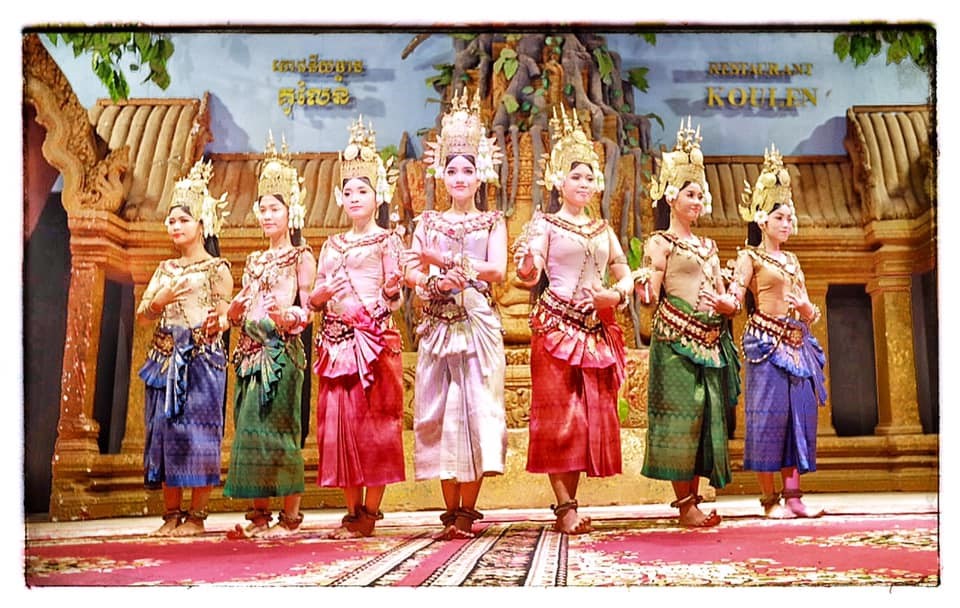
There are performances; dances of the ethnic groups, traditional wedding ceremonies, circus acts, acrobats, elephant shows, Khmer boxing, the famous Apsara dance, and more to entertain the tourists.
War Museum
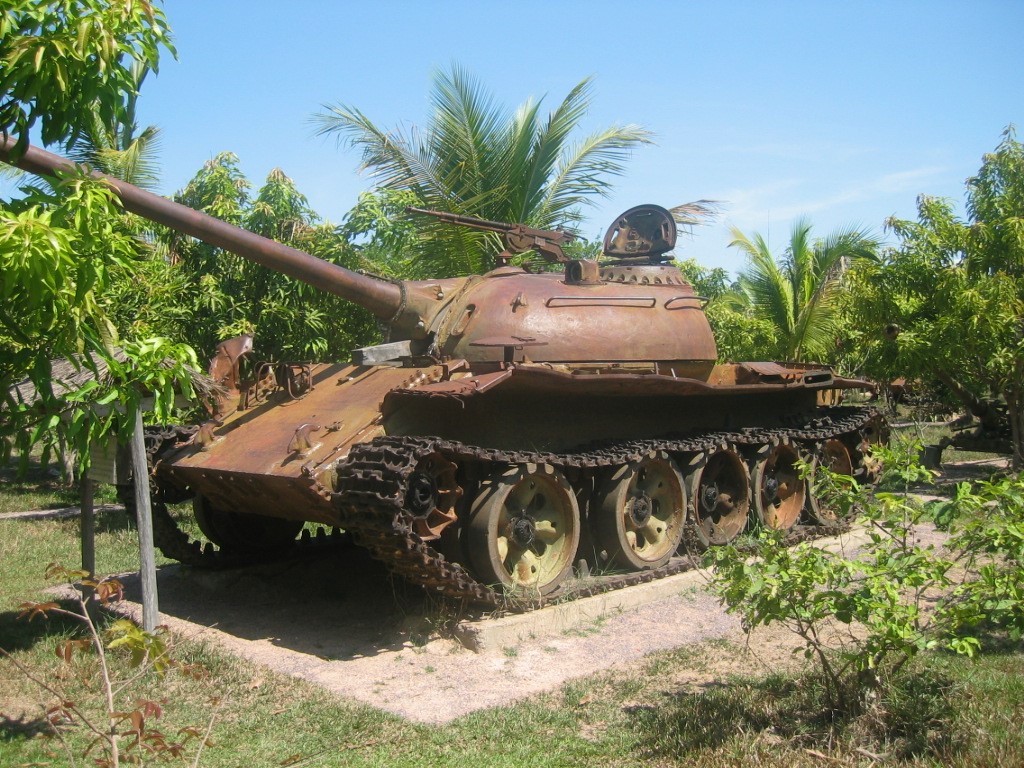
The Museum is situated in Kacam Village of Siem Reap Province, and opening time is from 8:00 to 15:30. It displays the used weapon in Pol Pot period, including Soviet Union’s and China’s helicopter, tank, hand grenade, rifle, missile wreckage and army used product, etc. All have the English name but not very detailed description, but the guide is available on the field for interpretation.
Angkor balloon
It is situated in road from airport to Angkor Wat, 1km west of Angkor Wat, Siem Reap. Opening time is from 6:00 to 17:00. During visiting Baken Mountain, a huge yellow balloon on the sky can be seen from a distance. It is a hydrogen balloon anchored by crude steel, around 70m from the ground to sky, straight up and straight down, around 10 minutes for one time. Although it is not the real fight in the sky, but it is able to view Angkor Wat, Baken Mountain, endless plain, farmland and village, and the scenery is very good. The balloon liftoff or not is dependent on the weather and season, and the best way to know is to ask the guide or hotel staff help to ask.

Around Siem Reap
The reason most people come to Siem Reap is to visit the Angkor Archaeological Park. The town is worth strolling about for itself and there are a number of means to go about enjoying the city.
Going about on foot is perhaps the most leisurely and most rewarding. Here, the pace may be quite laid-back to some, but all in all it’s a pleasant place to be at. Along the streets, there are many shops offering services and goods ranging from the basic necessities to fine silk; chic galleries with beautiful display of local art pieces and lots of souvenirs.
For food, there are whole streets catering for the travellers tastes, with tasty Khmer fares such as Amok and ‘Khmer curry’, or pizzas, hamburgers and other international cuisines. Explore the backstreets for more shops and restaurants and have fun. In the evening, stroll down Pub Street and mingle with the crowd. There is never a lack of colours while in Siem Reap.


